


Effects of Air Pollution on Heart & Lungs — Latest Research (2025).
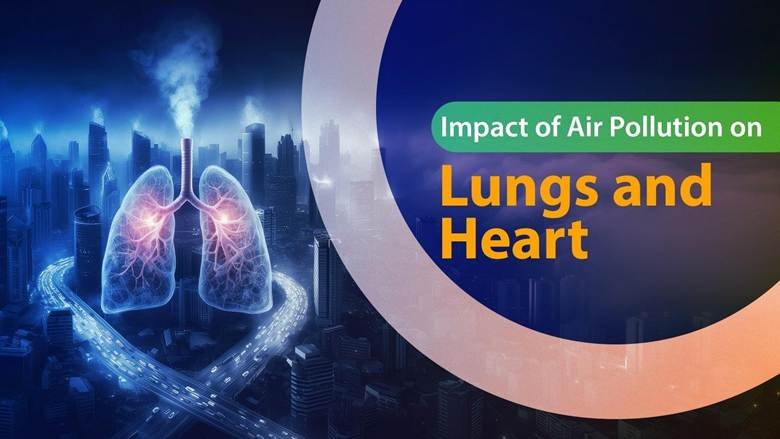
Pollution in the air remains one of the largest preventable threats to human health throughout the world. Reports from the 2024–2025 global monitoring program provide greater clarity than at any point in time about the impact of respiratory (i.e., airborne) pollution — especially fine particulate matter (PM2.5) — combined with an extensive mixture of gases (i.e., NO₂, O₃, SO₂, and CO). Not only does respiratory pollution irritate the lungs, it also increases the likelihood of developing cardiovascular diseases, leads to the progression of chronic lung disease (i.e., COPD and emphysema), exacerbates acute heart attack/stroke/asthma attacks, and ultimately results in premature mortality. The current review will summarize the accumulation of evidence (i.e., 2024–2025) regarding the effects of respiratory pollution upon the heart and lung systems and the extent of respiratory pollution in the city of Delhi, India, in reference to other major metropolitan cities with similar environments, and it will provide information on the main sources of respiratory pollution and potential solutions that can be implemented at the local level through environmental policy.
What’s new in 2024–2025 research?
In 2025 and 2024 there were new findings based on large updates that reinforce the previous findings. First, new global monitoring databases were created and in 2025, there will be much wider coverage of WHO guideline levels and many cities will still exceed those levels far greater than the previous guidelines. Second, meta-analyses and cohort studies published in 2025 will further demonstrate the causal relationships established between long-term exposure to PM2.5 fine particulate matter and various forms of cardiovascular disease such as myocardial infarction (matching increased cardiac output during physical exertion), heart failure (elevated levels of high levels of the vascular inflammatory cytokine interleukin-6), arrhythmias, and stroke. Thirdly, recent studies will include increasingly specific mechanistic information about how the minute particles of PM2.5 fine particulate matter induce systemic inflammation, promote endothelium dysfunction, disrupt autonomic balance via elevated levels of norepinephrine and ultimately result in thrombosis (obstruction of blood flow) which rapidly links inhalation exposure of PM2.5 to adverse cardiovascular events. Collectively, these three areas of scientific research will illustrate that both acute short-term spikes and chronic long-term PM2.5
How air pollution harms the lungs
The respiratory system is harmed at different levels due to many kinds of particles/gases:
Acute (short-term) acute effects of high levels of pollution: The rates for asthma attacks, emergency room visits for difficulty breathing and acute bronchitis (BRON-KITE-US) are all increased due to high levels of pollution. Individually sized small particles cause airway irritation, increased mucus production & decreased defence by the lungs against infections e.g. (In Delhi, the Government recently released data showing a significant increase in the number of cases of “acute respiratory infection (ARI)” correlated to spikes in air pollution levels).
Chronic (long duration) effects of long-term exposure to pollutants: Long-term exposure to pollutants increases the risk of developing COPD; the rate of the decline in lung function is accelerated; and the risk of developing lung cancer is greater (particularly with regard to combustion-related particles). Most chronic effects of air pollution can be explained by repeated inflammation and airway remodelling.
How air pollution harms the heart
Breathing in polluted air doesn’t just stop at your lungs—it kicks off a whole mess inside your body, especially for your heart.
Here’s the deal: those tiny particles, like PM2.5, go way beyond your lungs. They fire up inflammation throughout your system, even inside your blood vessels. That cranks up how much plaque builds up in your arteries, and if you’ve already got some, it makes things even shakier. Not what you want.
And get this—even a short walk through polluted air can throw your heartbeat out of whack. Suddenly, your heart’s not following the rules. Arrhythmias show up, and just like that, your odds of sudden heart problems shoot up.
It keeps going. Pollution targets the endothelium—the thin layer lining your blood vessels—and beats it up. Your blood turns stickier, so clotting jumps. That’s the stuff that triggers heart attacks and strokes.
If you already have high blood pressure, diabetes, or heart disease, the risk takes off when the air gets bad. The numbers don’t lie: people with these conditions face much higher odds of dying as PM2.5 levels rise.
Delhi and other Indian cities — the on-the-ground picture
Indian cities are some of the most polluted places on the planet, and honestly, things just aren’t getting better. The numbers from 2024 and early 2025 say it all: day after day, millions walk through heavy, dirty air. WHO and IQAir both point out the obvious — PM2.5 levels don’t just cross the safe limit of 5 micrograms per cubic meter, they leave it behind in the dust. Delhi stands out, especially in winter or when there’s extra trouble, like crop burning or raucous festivals. Some days, you step outside and it almost slaps you in the face — you can taste the pollution.
It’s brutal for people’s health. Delhi alone racks up hundreds of thousands of sudden breathing problems each year, according to both government numbers and research. Dig into the studies and the connection jumps out: filthy air is fueling spikes in heart and lung disease. On a wider scale, air pollution is pushing up DALYs and early deaths, making it one of India’s biggest environmental dangers.
Yes, Delhi gets all the press, but it’s happening everywhere — Mumbai, Kolkata, Chennai, and those endless industrial towns, too. As soon as the pollution surges, hospital ERs fill up. The sources change from place to place. In coastal cities, it’s traffic jams and smoky factories. Up north, crop fires and chilly, still air trap the smog for weeks. No matter where you live, the result’s the same: people are stuck gulping it in, every single day.
Main causes of urban air pollution in India
Air pollution is never absent. There are always cars in the street, especially those old diesel trucks that send up volumes of black smoke. You feel as if you are breathing through a dirty cloth. That bad stuff goes straight into your lungs.
And then of course, factories make it worse. They burn the cheapest stuff and you get clouds of sulfur dioxide and heavy metals pouring out. It’s a cycle: cheap fuel, dirty air.
Same at home, people burn wood or coal for cooking and/or warmth, the smoke just lingers on. Then there’s the crop burning season up north. Fields are set on fire. The air thickens, PM2.5 levels rise, and suddenly breathing is hard labor. Construction adds more dust.
And the weather isn’t helping any. Whenever it gets cold and the wind isn’t blowing, the smog just hangs there. You can almost taste it. You just want to breathe clean air.
It all goes back to burning stuff for energy. The soot and toxins hit your lungs and heart harder than regular dust.
Remedies: what works (policy, community, and individual)
A combination of systemic policy action and personal measures is required. Evidence-backed interventions include:
Policy & city-level actions (greatest leverage)
Tighten emissions standards and enforcement for vehicles and industry (switch to low-sulphur fuels, stricter inspection). Programs promoting clean fuel and the electrification of public transport help to reduce pollution at the source.
Switching to cleaner household energy sources — scaling up LPG/electric cooking avoids indoor emissions that subsequently seed ambient PM.
Incentivise, mechanize and offer alternative to seasonal agriculture burning (Straw management).
Clinical & public-health measures
- Protect vulnerable groups: prioritize screening and care for people with COPD, asthma, heart disease, diabetes and the elderly during pollution peaks. Hospitals and primary-care clinics should be prepared for surges in respiratory and cardiac events.
- Public education campaigns about reducing outdoor exposure on bad-air days and recognising signs of acute cardiac or respiratory distress.
Individual precautions (useful but complementary)
- Avoid heavy outdoor exertion on high-AQI days. Physical activity is usually healthy, but intense outdoor exercise during spikes increases acute risk.
- Use well-fitting particulate respirators (N95/FFP2) when exposure is unavoidable. These reduce inhaled PM2.5 but must be certified and properly fitted.
- Indoor air quality: Use high-efficiency portable air purifiers (HEPA), seal leaks, and avoid indoor smoking or solid-fuel cooking.
- Medical preparedness: people with heart disease or severe asthma should follow action plans and keep medications accessible.
Bottom line
The 2024–2025 evidence confirms that air pollution is a direct, large-scale threat to both lungs and the heart. For Delhi and other Indian cities, the burden is acute — both in winter spikes and chronic elevated exposures — and much of it is preventable. Meaningful progress requires coordinated policy (clean energy, transport electrification, industrial controls, agricultural alternatives), stronger monitoring and health-system preparedness, plus sensible individual steps to reduce exposure. Reductions in PM2.5 and gaseous pollutants deliver rapid health returns, including fewer heart attacks, strokes and respiratory crises — making clean air both a public-health priority and a social justice imperative.


