


Ginger (Adrak): A Simple Guide to Cultivation, Uses, Benefits, and Risks
Ginger (adrak) farming methods, top producing states in India, global cultivation and uses, health benefits, side effects, and business tips.
Introduction
Ginger, which is known as “adrak” in India, is a common spice as well as an herb. It is used as a flavouring agent. Additionally, it has been used for digestive and nausea problems. Ginger is a valuable crop for farmers as it is a constant market and has potential for exports too.
It is a favourite ingredient of everyone as it is used for its amazing flavour and health benefits. In this blog, you will get to know what ginger is, how it is grown, where it is made, how it is used worldwide, the benefits and risks of its usage, and a brief conclusion thereafter.
What Is Ginger?
Ginger is a rhizome or underground stem from the plant Zingiber officinale.
It has an aroma that is both spicy and lemony. It is warm to the taste.
It is generally used raw, dried, powdered, pickled, or as oil or oleoresin.
It is one of the very common condiments throughout the world in Indian, Chinese, Southeast Asian, Middle Eastern, and Western cuisines.
Adrak (Common Name) Inji (Tamil) Allam (Telugu) Shunti (Kannada) Adraki (Punjabi) Zanjabeel (Arabic)
Nutrition and Active Compounds (Simple View)
Ginger contains fibre, trace amounts of vitamins and minerals, and other compounds found in plants.
Major bioactive compounds are gingerols and shogaols.
These compounds account for the flavour and some known medical uses of ginger, including alleviating nausea and aiding digestion.
How Ginger Is Grown: Practical Farming Methods
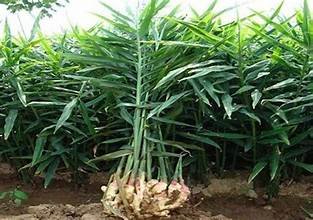
Cultivating ginger is not a hard process, but requires proper attention and timing. Steps to grow ginger are mentioned below for the benefit of farmers.
1) Climate and Soil
Climate: Tropical to subtropical. The ideal temperature ranges between 20 and 30${}^\
Rainfall: Requires adequate to good rainfall or irrigation. No water-logging.
Light: It performs well under partial shades (e.g., under banana or arecanut trees).
Tolerable: Well-drained loamy or sandy loamy soils with high organic content. Slightly acidic soil pH, around 5.5 to 6.
2) Seed Rhiz
Use healthy, disease-free rhizomes obtained from trusted sources.
Pick plump, full-grown buds with 2-3 buds on each
Most farmers apply treatment on seed rhizomes using Trichoderma or other bio-agents to prevent rot.
In India, popular cultivars are Nadia, Rio de Janeiro, and improved IISR varieties like IISR Varada and IISR Mahima.
3) Land Preparation
Plough and make raised beds or ridges for proper drainage.
Add well-decomposed farm yard manure or compost before planting.
Mulch to conserve moisture and control weeds early.
4) Planting Time and Spacing
In rain-land, crop outplants are begun before, at the time of, or with the initial good rain.
In Irrigated Areas Plant When The soil temperature is warm and even.
In general, the distance between the plants when harvested ranges between 20 and 25 cm per set of plants, while the spacing between the rows ranges between 20 and 30 cm, depending on the type of plants being harvested.
5) Mulching and Weeding
Mulch with green leaves or straw after planting, and mulch again after 45 to 60 days.
Mulch prevents soil splash and weeds and helps in retaining water.
Remove weeds and maintain the flower bed.
6) Irrigation
So, the soil needs to be maintained damp and not waterlogged.
Water extensively during the dry season and gradually reduce the water supply as it grows.
It prefers well-drained soil to prevent rhizome rot.
7) Nutrient Management
Ginger is sensitive to organic matter.
Among the foods composting, Verm Compost, and Biofertilizer there are
Well-balanced diets promote not only good growth, but also higher productivity.
8) Earthing Up and Intercropping
Light earthing up, pulling soil around plants, done at 45 to 60 days, helps in rhizome formation.
Growing in combination with shade-providing crops like banana trees, coconuts, and arecanuts.
9) Pests & Diseases (Basic Awareness)
Common Pests and Problems: Rhizome rot, particularly in too wet a soil; leaf spotting; nematodes
Prevention:
Healthy seeds, rotation, drainage, bio-control organisms, and clean fields.
Uproot the diseased plants as soon as possible, and burn them.
10) Harvesting, Yield, and Post
For tender ginger for pickling and the marketplace, it is usually harvested in 6 to 7 months.
For mature ginger, the leaves turn yellow when it is time to harvest at 8-9 months.
Average yields of green ginger may differ, but the required techniques can be employed towards obtaining successful yields.
Cold wash and shade dry. Keep in a cool and dry place. For Dry Ginger:
Peel rhizomes and miscellany.
Major Ginger-Producing States in India
Ginger grows across India, especially in humid regions. Major producing states include:
- Karnataka
- Assam
- Meghalaya
- Arunachal Pradesh
- Odisha
- Mizoram
- Sikkim
- Kerala
- West Bengal
- Nagaland
Production varies from year to year, but these states consistently contribute a large part of India’s ginger output.
Ginger Cultivation and Uses Worldwide
Main producers: India, China, Nigeria, Nepal, Indonesia, Thailand, and Bangladesh.
Trading and processing centres: The countries that export fresh ginger, dried ginger, oil, and oleoresin are India and China.
Global culinary uses:
Asia: Curry, Stir-Fry, Soups, Ch
The Middle East: spices, desserts.
The West: Gingerbread, Cookies, Cakes, and ginger ale.
Applications in industry:
Essential oil or oleoresin: It provides flavour and fragrance.
herbal supplements
folk remedies
Beverages: ginger tea, ginger ale, and artisan ginger beer.
Market trends
Increasing demand for natural products and functional foods.
Organic and residue-free ginger of interest.
Annual price fluctuations due to weather, outbreaks, and other logistical factors.
Health Benefits of Ginger (Evidence-Informed, Simple)
Ginger has been studied as a treatment for various common ailments. Different people will have different experiences with the remedy.
Nausea relief: Motion sickness relief, morning sickness relief, relief for post-operative nausea.
Supporting the digestive system can help with indigestion, gas, or feeling full.
Anti-inflammatory: Relieves the mild joint pains of some individuals, for instance, patients suffering from osteoarthritis.
Relieving Cold and Cough:
Ginger tea is a very effective remedy that helps to relieve cough and throat irritation in a cold. This tea works wonders if it is drunk warm. This is because warm ginger tea helps to bring down a cough immediately.
Antioxidant Properties: The property to fight oxidation is found to be present in ginger because of the presence of
Metabolic Support: Some evidence is available for supporting normal glycemic and lipid values as an adjunct to dietary and exercise management.
Methods of using ginger in the home (Simple Ideas):
Ginger Tea
Thinly sliced ginger boiling in water, with lemon and honey.
Cooking: In curries, soup, dal, stir-fry, and marin Smoothies/Juices: A small amount is required to add flavouring. Pickles and sweets: As snack foods in reasonable quantities. *: The benefit would normally be restricted to a certain amount depending on the rate of dosage and individual lifestyle.
Side Effects, Risks, and Precautions
Ginger is generally safe to consume in typical amounts in foods. However, the following are some key things to consider:
Common side effects: heartburn, stomach upset, sore mouth, loose stools.
Bleeding Risk: Ginger increases the risk of bleeding, especially when taken in relation to anticoagulants like warfarin.
Blood sugar levels and blood pressure: If you are taking similar medications, too, look for changes and consult a professional.
Gallstones: Ginger acts as a stimulant to bile; hence, patients with gallstones should be cautious.
Pregnancy and lactating: Moderate use in recipes is safe; limit supplemental intake to high doses if prescribed by a physician. Surgery: The doses of supplemental vitamin E must be stopped in contemplation of surgery due to its effects as an anticoagulant. The information in this article is for informational purposes only and is not meant to be a medical guide. It is recommended to seek advice from a health expert before consuming large quantities or supplements of ginger, especially when one has health conditions and is on medications.
Ginger is generally safe in food amounts. Still, be aware of these points:
- Common side effects (usually mild): heartburn, stomach upset, mouth irritation, loose stools.
- Bleeding risk: Ginger may increase bleeding tendency, especially with blood thinners (for example, warfarin).
- Blood sugar and blood pressure: If you take related medicines, monitor for changes and consult a professional.
- Gallstones: Ginger can increase bile flow; people with gallbladder issues should be cautious.
- Pregnancy and breastfeeding: Culinary amounts are usually fine; avoid high supplemental doses unless advised by a clinician.
- Surgery: Stop high supplemental doses well before surgery due to bleeding risk.
This content is for information only and not medical advice. If you have health conditions or take medicines, consult a qualified professional before using ginger in large or supplemental amounts.
Ginger’s Downsides for Farmers and Traders
Disease pressure: Rhizome rot and wilt are potential threats that could bring high pressure on production if water accumulation is high.
Price volatility: Market prices change frequently depending on the region and seasons.
Cost of inputs and labour: The seed, manure, as well as regular weeding, contribute to increased expenditure.
Post-harvest losses: There might be losses of quality due to mould or other dampness issues.
Climate risk: There may be damage to yield and quality due to high rainfall, flooding, or drought.
How to reduce risk:
Use clean seeds and practice crop rotation.
Improve drainage and mulch heavily.
Keep abreast of local market prices and harvest and sell accordingly. Consider contracts and/or cooperative marketing if possible.
Ginger Products and Business Opportunities
Fresh ginger is reserved for local markets.
Dried ginger and powder – for retail and the food industry.
Pickled ginger and candied ginger are value-added products.
Ginger oil and oleoresin for flavour houses and exports.
Ready-to-drink ginger beverages, teas, and concentrates.
Herbal combinations: ginger with turmeric, tulsi, lemon, and honey.
Tips for Small Businesses:
Focus on consistent quality, clean processing, and attractive packaging.
Emphasise origin, such as “Northeast India ginger” or “organic farm-grown”. Prepare simple, understandable labels with recommendations for storage and handling.
Quick Summary (TL;DR)
Adrak, or Ginger, is a very useful rhizome that has vast applications not only in the kitchen but also in medicine.
It grows best in warm and wet regions with well-drained soils that have plenty of organic matter.
Good rhizomes will need to be planted, and care will have to include maintaining the soil as wet as possible without becoming waterlogged, as well as getting rid of weeds and
Chief producers of tea in India: Karnataka, Assam, Meghalaya, Arunachal Pradesh, Odisha, Mizoram, Sikkim
Leaders
The top countries include India, China, Nigeria, Nepal, Indonesia, Thailand, and Bangladesh.
Advantage: Facilitates nausea, digestion, and mild inflammation in most cases. Offers antioxidant properties.
Risks: Potential for nausea, bleeding with blood thinners, gallstones, high-dose pregnancy uses, and preoperative.
For both the farmer and the trader, things to watch out for are “rot, market change, and storage problems,” while what matters most are “drainage, clean seed, and time.”
Demand, product diversity, and exportability are contributing factors to the profitability of the ginger plant.
FAQs
Is ginger good for daily use?
Small culinary amounts are fine for most people. If you plan to take high doses or supplements, talk to a healthcare professional.
How long does ginger take to grow?
Tender ginger is ready in about 6–7 months. Mature ginger for drying usually takes 8–9 months.
Can I grow ginger at home in pots?
Yes. Use a wide pot with drainage. Plant a healthy rhizome, keep the soil moist, and place it in bright, indirect light.


