


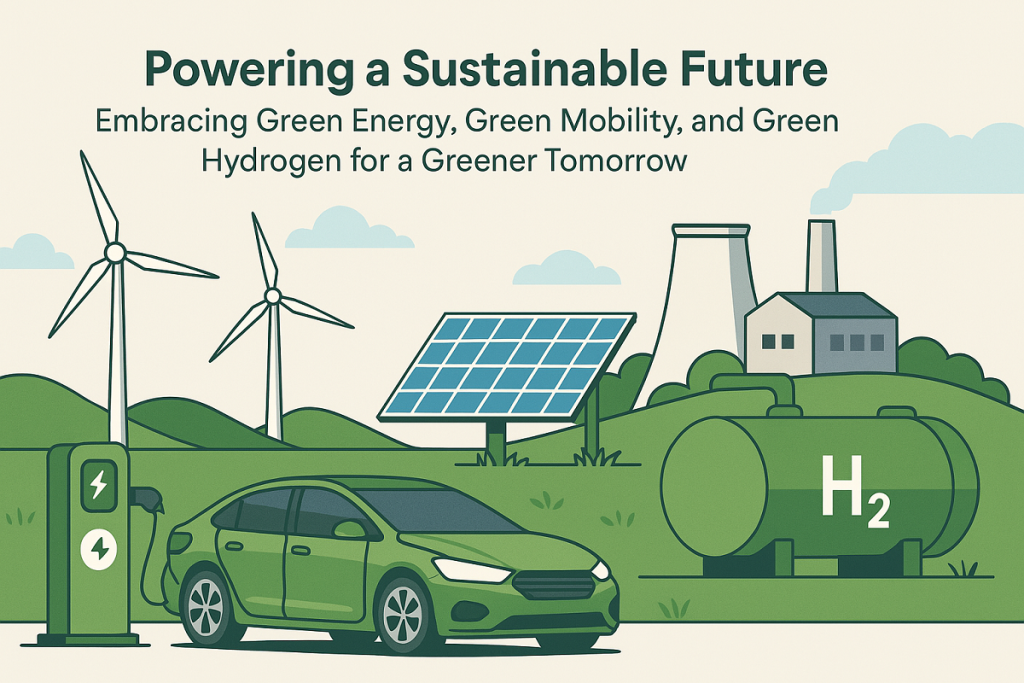
Green Energy Conversion: How the United States Is Powering a Cleaner, Sustainable Future
Introduction – What Green Energy Conversion Means in the USA
Green energy conversion is one wherein organic renewable resources coming from sunlight, wind, water, earth heat, and organic materials can be converted or transformed into usable energy. In America, this movement of energy conversion is not just an environmental cause; it is actually one strategy for energy self-sufficiency and also one for economic and environmental security.
The dominant factor in America for many decades has been energy sources such as coal, oil, and gas. These indeed propelled America forward economically; however, problems in health care started to affect the citizens. However, green energy conversion presents a better solution for smart America.
From rooftop solar in California, to massive wind farms in Texas, to offshore projects up and down the Eastern Seaboard, a new generation of American energy is transforming the way that America generates and consumes energy, helping homeowners and business owners slice their energy bills and, in the process, creating new green jobs.
In this article, you will learn what green energy conversion is, how it works, and why it’s important for the USA, including how to benefit both individuals and companies.
This article explains what green energy conversion is, how it works, why it matters in the U.S., and how individuals and businesses can benefit from the clean energy transition.
Why America Is Shifting Toward Renewable EnergyThe United States is promoting renewable energy for several compelling reasons:
Environmental Protection
The process of burning fossil fuels generates greenhouse gases, which create atmospheric heat traps. The emissions from these activities lead to extreme weather events, increased sea levels, forest fires and contaminated air. Clean energy produces little to no carbon emissions, which helps to safeguard both ecosystems and public health.
Economic Growth and Job Creation
The renewable energy sector creates thousands of jobs in manufacturing, installation, engineering, and maintenance. Solar and wind industries are among the fastest-growing employment sectors in America.
Energy Independence and Security
The United States decreases its need for foreign oil and gas through local generation of energy from renewable resources. The practice enhances national security while creating stable energy cost structures.
Lower Energy Costs for Consumers
Solar panels, energy-efficient systems, and smart grids help households and businesses save money on electricity over time.
Climate Commitments
The United States government works to decrease carbon emissions while creating sustainable energy solutions. The federal government, together with state governments, supports renewable energy development through financial incentives and tax deduction programs.
Types of Green Energy Conversion
Different renewable sources are converted into usable energy using modern technologies.
Solar Energy
The solar panels use photovoltaic cells to transform sunlight into electrical power. The United States uses solar energy throughout the country, but especially in sunny states such as California, Arizona, Florida and Texas.
Advantages:
- Abundant and renewable
- Low maintenance
- Reduces electricity bills
- Ideal for homes and businesses
Wind Energy
Wind turbines capture wind energy and convert it into electricity. The Great Plains, Midwest, and coastal regions have strong wind resources.
Advantages:
- Produces large-scale electricity
- Cost-effective at utility scale
- Zero fuel cost
Hydropower
Hydropower uses flowing water to spin turbines and generate electricity. It is one of the oldest renewable energy sources in America.
Advantages:
- Reliable and consistent
- Supports grid stability
- Long-lasting infrastructure
Geothermal Energy
Geothermal plants use heat from beneath the Earth’s surface to produce electricity or heating.
Advantages:
- Stable power supply
- Low emissions
- Works day and night
Biomass Energy
Organic materials like wood waste, agricultural residue, and landfill gas are converted into fuel or electricity.
Advantages:
- Uses waste materials
- Supports rural economies
- Reduces landfill waste
How Green Energy Conversion Works (Simple Explanation)
Green energy conversion involves capturing natural energy and transforming it into usable electricity or heat. Energy Capture:
Solar panels absorb sunlight, wind turbines capture wind, and dams harness moving water. Energy Conversion: Mechanical or chemical processes convert natural energy into electrical energy. Power Distribution:
Electricity flows into the power grid or is stored in batteries. Usage:
Homes, businesses and industries use clean electricity.
The combination of smart grids with energy storage systems enables efficient supply and demand balancing.
Benefits of Green Energy Conversion for Americans
✅ Lower Utility Bills
Solar panels and energy-efficient appliances reduce monthly electricity costs.
✅ Health Improvements
Cleaner air means fewer respiratory diseases and healthcare costs.
✅ Environmental Sustainability
Protects forests, oceans, and wildlife habitats.
✅ Energy Reliability
Diversified energy sources reduce blackout risks.
✅ Community Development
Local projects create employment and boost local economies.
Challenges and Limitations in the U.S.
Despite its benefits, green energy conversion faces challenges:
- High upfront costs for installations
- Weather dependency for solar and wind
- Grid infrastructure upgrades needed
- Energy storage limitations
- Land use and environmental concerns
Technological advancements continue to reduce these challenges.
Government Incentives, Tax Credits & Policies
The U.S. government supports renewable energy adoption through:
- Federal solar tax credits
- State rebates
- Net metering programs
- Grants for clean energy research
- Electric vehicle incentives
These programs make renewable investments more affordable.
Real-Life Examples in the United States
- California leads in solar adoption.
- Texas produces large amounts of wind energy.
- New York invests in offshore wind projects.
- Nevada expands geothermal power.
Communities nationwide benefit from renewable investments.
How Homeowners Can Switch to Green Energy
- Install rooftop solar panels
- Join community solar programs
- Use energy-efficient appliances
- Invest in home batteries
- Switch to green utility plans
Future of Green Energy in America
Emerging technologies such as hydrogen fuel, AI-powered grids, and advanced battery storage will accelerate green energy adoption.
Frequently Asked Questions (FAQs)
Q1: Is green energy expensive?
Costs are decreasing rapidly, and incentives reduce investment expenses.
Q2: Can renewable energy power my entire home?
Yes, many homes operate fully on solar with battery storage.
Q3: Is renewable energy reliable?
Modern grids ensure a consistent supply.
Q4: How long do solar panels last?
Typically 25–30 years.
Q5: Does green energy increase home value?
Yes, homes with solar often sell at higher prices.
Conclusion
The green conversion involving different types of green energy is changing the face of America’s energy. The investment in green conversion helps America boost its economy, save the environment, and secure a healthy future. The green conversion involves various stakeholders, including individuals, businesses, and governments.

