



H-1B and O-1 Visas: Why the Buzz?
These two non-immigrant visas are crucial for bringing skilled foreign workers to the United States.
- H-1B Visa: Primarily for individuals in speciality occupations that require theoretical or technical expertise (e.g., IT, engineering, finance). It’s the most common work visa for college graduates.
- O-1 Visa: For individuals with extraordinary ability in the sciences, arts, education, business, or athletics, or with extraordinary achievement in the motion picture or television industry. This visa is for top-tier talent.
Why Are They in the News?
Several factors contribute to the frequent media attention surrounding these visas:
- Economic Impact: Debates often arise about how these visas affect the U.S. labour market. Some argue they fill critical skill shortages and boost innovation, while others express concern about potential wage depression or displacement of American workers.
- Immigration Policy Debates: As part of broader discussions on immigration, the H-1B and O-1 programs are scrutinised for their structure, limitations, and effectiveness. Proposed policy changes, whether to increase or decrease quotas, or to reform the application process, frequently make headlines.
- Lobbying and Advocacy: Tech companies and other industries heavily reliant on foreign talent actively lobby for these visas, while labour unions and other groups advocate for stricter regulations.
- Geopolitical Relations: Given that a significant number of H-1B visa holders are from India, policy changes can impact U.S.-India relations and the flow of talent between the two nations.
- Specific Incidents or Cases: High-profile cases of visa denials, approvals, or issues related to worker exploitation can also garner significant media attention.
- America’s View: A Spectrum of Opinions
The “American view” is not monolithic. It’s a complex tapestry of differing perspectives:
- Pro-Talent & Innovation: Many businesses, particularly in the tech sector, see these visas as essential for maintaining their competitive edge. They argue that without access to global talent, U.S. companies would struggle to innovate and grow, potentially leading to jobs moving overseas.
- Worker Protection: Concerns are often raised about ensuring fair wages and working conditions for H-1B and O-1 visa holders, as well as protecting the jobs of American workers. This includes addressing allegations of companies using these visas to hire cheaper labour.
- National Security & Integrity: Like all immigration programs, there are concerns about ensuring the integrity of the visa system and addressing any national security implications.
- Economic Nationalism: Some perspectives prioritise American jobs and industries, advocating for policies that favour domestic workers over foreign ones, even in specialised fields.
Fees Associated with the H-1B Visa
The fees for the H-1B visa can be quite substantial and vary depending on the employer’s size and other factors. Here’s a general overview of common fees, though specific amounts can change:
- Base Filing Fee: A standard fee paid to U.S. Citizenship and Immigration Services (USCIS).
- ACWIA Fee (American Competitiveness and Workforce Improvement Act): This fee helps fund training programs for American workers. It’s typically higher for companies with 25 or more full-time employees.
- Public Law 114-74 Fee: An additional fee, often referred to as the “21st Century Integrated Digital Experience Act” fee, applies to certain H-1B petitions.
- Fraud Prevention and Detection Fee: A fee to cover the costs of preventing fraud and improving security.
- Employer-Specific Training Fee: Sometimes required, particularly for companies that have previously relied heavily on H-1B workers.
- Lottery Fee (if applicable): If the H-1B visa cap is reached, a lottery system is used. While not a direct fee for the applicant, it’s part of the process managed by employers.
- Legal Fees: Most employers hire immigration attorneys, adding to the overall cost.
Note: These fees are paid by the employer, not the foreign national. The total cost can range from several thousand dollars to tens of thousands of dollars per petition.
Impact on Indian Citizens
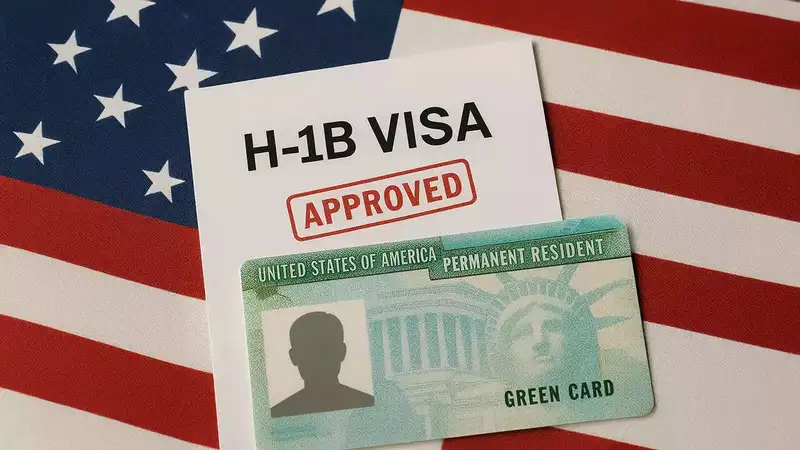
India is a major beneficiary of the H-1B visa program, so changes and news surrounding it have a significant impact:
- Career Opportunities: The H-1B visa offers a pathway for highly skilled Indian professionals to work in the U.S., gain international experience, and contribute to American industries.
- Economic Contribution: Indian professionals on H-1B visas contribute significantly to the U.S. economy through their work, taxes, and consumption.
- Family and Social Ties: Many H-1B holders establish long-term lives and families in the U.S., creating strong social and economic ties.
- Uncertainty and Stress: Policy changes, visa cap uncertainties, and the lengthy green card process can create significant stress and uncertainty for Indian citizens and their families, impacting their long-term planning.
- Brain Drain vs. Brain Gain: While it can be seen as a “brain drain” for India, it also represents a significant “brain gain” for the U.S., with Indian professionals often at the forefront of innovation. There’s also a “brain circulation” aspect, as many eventually return to India with valuable experience.
- Dependents (H-4 Visa): Spouses and children of H-1B visa holders can accompany them under the H-4 visa. The ability for H-4 dependents to work in the U.S. has been a subject of policy changes, impacting families.
A Humane Perspective
It’s important to remember that behind the statistics and policy debates are individuals and families. These visas represent dreams, aspirations, and a desire to contribute skills and knowledge.
- The Human Element: People seeking these visas are often highly educated, driven, and seeking opportunities to build better lives for themselves and their families. They are contributing to technological advancements, medical breakthroughs, and various sectors of the economy.
- Family Unity: For many, the goal is not just personal career advancement but also the opportunity to provide a stable future for their loved ones. The stress of visa uncertainty can deeply affect family dynamics and well-being.
- Global Collaboration: Skilled migration fosters global collaboration and cultural exchange. When we welcome talent from around the world, we enrich our society and our economy.
- Ethical Considerations: It’s crucial to ensure that visa programs are administered fairly and ethically, protecting the rights of all workers and preventing exploitation. This includes fostering an environment where foreign talent feels valued and respected.


