


Who is Gen Z? History, Origin & Global Impact .
In the modern world of rapid digital growth, one generation stands out for its unique identity, values, and lifestyle — Generation Z, also known as Gen Z. This generation is often described as tech-savvy, socially aware, and highly adaptable. But who exactly belongs to Gen Z? Where did this term come from? And how did Gen Z begin influencing the world? Let’s understand everything in detail.
What is Gen Z?
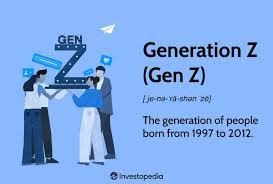
Generation Z refers to people who were born between 1997 and 2012 (as per most global researchers like Pew Research Center). Some definitions extend the range slightly, but most agree on the late 1990s to early 2010s.
This means that in 2025:
- The oldest Gen Z members are around 28 years old
- The youngest are around 13 years old
Gen Z follows Millennials (Generation Y) and comes before Generation Alpha.
Why Are They Called Gen Z?
The naming system follows alphabetical order:
- Baby Boomers → Gen X → Millennials (Gen Y) → Gen Z
The “Z” doesn’t have a deep meaning but symbolically marks the next big shift in generations.
Characteristics of Gen Z
Gen Z is famous for:
1. Digital Natives
They grew up with:
- Smartphones
- Social media
- High-speed internet
- Online entertainment
Technology is not something they learned — they were born into it.
2. Socially and Politically Aware
Gen Z often speaks up on:
- Climate change
- Gender equality
- Mental health
- Education reform
- Human rights
3. Entrepreneurial Mindset
Many Gen Z individuals want to:
- Start their own business
- Create content online
- Become freelancers
- Build side hustles
4. Practical and Financially Conscious
Because they witnessed:
- The 2008 recession (as kids)
- Pandemic-related economic issues
…they tend to be more careful with money compared to Millennials.
5. Mental Health Awareness
Gen Z openly discusses:
- Anxiety
- Depression
- Stress
- Work-life balance
They value self-care more than previous generations.
History of Gen Z: How This Generation Emerged
The story of Gen Z begins in the late 1990s.
1997–2000: The Beginning
The first Gen Z children were born around 1997.
During this time:
- Google was founded (1998)
- Mobile phones were becoming common
- Home computers increased rapidly
The world was shifting towards digitalization.
2001–2010: Major Global Events
These years shaped Gen Z’s world view:
- 9/11 attack (2001)
- Rise of social media
- Facebook (2004)
- YouTube (2005)
- Twitter (2006)
- Global recession (2008)
- Widespread mobile internet adoption
Gen Z children saw instability, fast change, and the growth of digital power.
2011–2020: Teen Years & Strong Influence
During this period, Gen Z became teenagers and young adults:
- Instagram and Snapchat culture
- TikTok revolution
- Online activism movements
- Climate protests led by youth (e.g., Greta Thunberg)
This was the decade when Gen Z truly changed the world’s cultural and social structure.
2020–2025: Gen Z in the Workforce
The pandemic accelerated online:
- Education
- Jobs
- Shopping
- Entertainment
Gen Z quickly adapted and became leaders in:
- Digital entrepreneurship
- Content creation
- Remote work
They introduced a new idea of success — flexible, independent, digital-first.
In Which Country Did the First Gen Z “Experiment” Begin?
The term Gen Z originated in the United States, where demographic researchers and media organizations first studied and categorized this group.
Why the USA?
The U.S. is known for:
- Early social research
- Large consumer studies
- Demographic analysis
- Media-driven naming trends
American sociologists first started observing:
- New digital behaviors
- Communication patterns
- Educational preferences
- Mental health trends
- Technology adoption
Thus, Gen Z was first identified, researched, and categorized in the United States.
How Other Countries Were Affected
Even though the term started in the U.S., Gen Z quickly became a global concept because technology, internet, and social media connected young people across nations.
Below is how different regions were influenced:
1. India
India has one of the largest Gen Z populations in the world.
Gen Z in India is known for:
- Heavy smartphone use
- Online education boom
- Increasing startup culture
- Growth in influencers and creators
- Strong views on social justice
- Focus on skill-based careers
Indian Gen Z also transformed:
- E-commerce
- Gaming
- OTT platforms
- Ed-tech industry
2. Europe
European Gen Z focuses strongly on:
- Climate activism
- Sustainable lifestyle
- Cultural diversity
- Equal rights
Movements like “Fridays for Future” gained huge support from European youth.
3. East Asia (Japan, China, South Korea)
These technologically advanced nations were deeply influenced:
- China has millions of Gen Z content creators
- South Korea’s K-pop and K-culture are led by Gen Z consumers
- Japan saw rapid adoption of gaming, anime, and digital innovations
4. Middle East
Gen Z played a major role in:
- Expanding digital jobs
- Women empowerment discussions
- Online entrepreneurship
5. Africa
African Gen Z is driving:
- Mobile-based innovation
- Digital finance (mobile payments)
- Online education
This generation helped boost Africa’s digital economy.
How Gen Z Changed the World
Gen Z has brought massive global shifts:
1. They changed the meaning of communication
From long calls to:
- Instagram DMs
- TikTok videos
- Memes
- Short reels
They prefer short, visual, quick communication.
2. They changed the job market
Earlier: stable 9–5 jobs
Gen Z:
- remote work
- freelancing
- startups
- digital creators
- influencers
3. They changed consumer behavior
Gen Z prefers:
- eco-friendly products
- ethical brands
- online shopping
- subscription services
4. They changed entertainment
Thanks to Gen Z:
- TikTok became global
- OTT replaced TV
- Gaming became mainstream
- Short videos became dominant
5. They raised mental health awareness
They openly discuss anxiety, burnout, loneliness, and stress — reducing stigma worldwide.
Conclusion
Gen Z is a powerful generation born between 1997 and 2012, shaped by technology, global events, and cultural change. Though the concept originated in the United States, its impact spread across the world — from India to Europe, Asia to Africa. Gen Z is transforming education, work culture, communication, business, activism, and entertainment at a global scale.
As they grow older and gain more influence, their unique ideas, digital skills, and forward-thinking mindset will continue to redefine the future of our world.


