


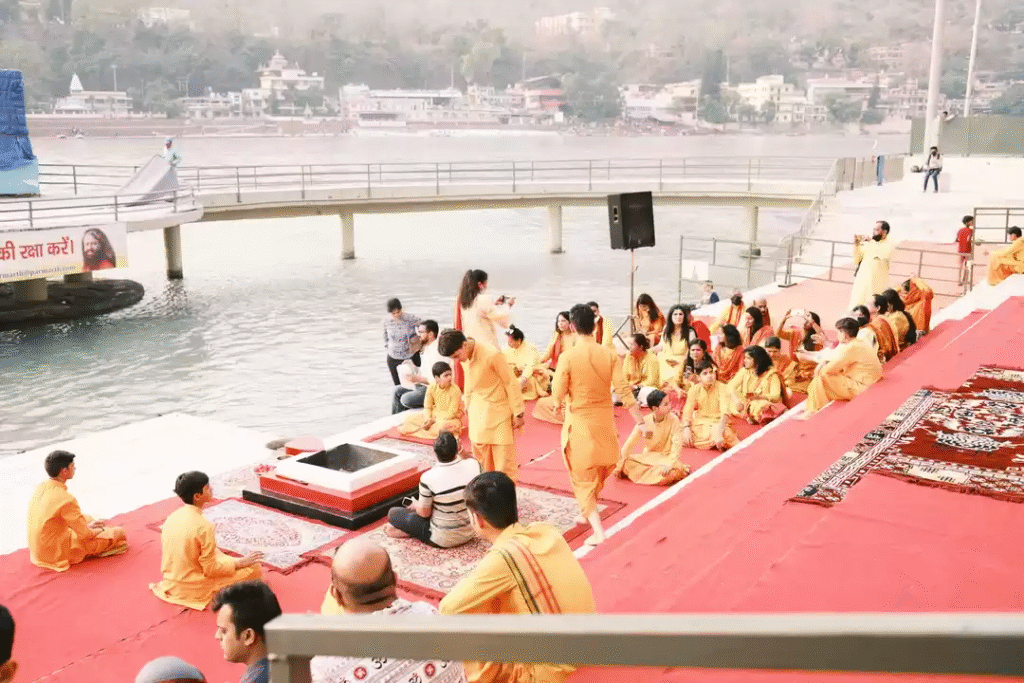
Rishikesh: A Complete Travel Guide to India’s Yoga Capital.
Rishikesh, located on the banks of the holy Ganga in Uttarakhand, is one of India’s most spiritual, peaceful, and adventure-filled destinations. Popularly called the Yoga Capital of the World, Rishikesh attracts millions of travellers, yogis, backpackers, and adventure lovers from all over the globe. Whether you want spiritual growth, a relaxing break, or thrilling river rafting, Rishikesh offers something for everyone.
1. Why is Rishikesh famous for?
Rishikesh is famous for several unique reasons:
a) Yoga Capital of the World
Rishikesh is globally known for its yoga institutes, teachers, and traditional ashrams. Thousands of foreigners come here every year for authentic yoga and meditation experiences. The famous International Yoga Festival, held annually in March, further enhances its reputation.
b) Gateway to the Himalayas
Rishikesh serves as the starting point for important pilgrimages like Kedarnath, Badrinath, Yamunotri, Gangotri, and the Char Dham Yatra.
c) Spiritual and Holy City
With ghats, temples, Ganga aarti, and the sound of bhajans, Rishikesh has a divine atmosphere. It is believed that Lord Vishnu appeared here to bless the sages, giving the city its name, “Hrishikesh.”
d) Adventure Capital of India
Rishikesh is also famous for:
- River Rafting
- Bungee Jumping
- Cliff Jumping
- Kayaking
- Trekking
- Camping
e) Iconic Landmarks
Rishikesh is home to:
- Lakshman Jhula
- Ram Jhula
- Parmarth Niketan Ganga Aarti
- Beatles Ashram
These places make Rishikesh a paradise for both spirituality and adventure.
2. When to Avoid Rishikesh?
Although Rishikesh is beautiful year-round, there are periods when the city is best avoided:
a) Monsoon Season (July to early September)
During monsoon:
- River rafting remains closed.
- Roads may face landslides.
- Ganga water level rises dangerously
- Trekking routes become slippery.
Hence, adventure enthusiasts should avoid this season.
b) Peak Winter (Mid-December to January)
Rishikesh becomes very cold, especially in early mornings and nights. If you’re not comfortable with 5–7°C temperatures, winter might be tough.
c) Char Dham Season (May–June)
Due to the pilgrimage rush:
- Traffic jams are frequent.
- Hotels become expensive.
- Crowded ghats and roads
If you prefer peaceful travel, avoid this time.
3. Which God is Rishikesh Known For?
Rishikesh is closely associated with Lord Vishnu.
The name “Rishikesh” comes from the Sanskrit words:
- Hrishik = Senses
- Ish = Lord
Meaning “Lord of the Senses,” a name of Lord Vishnu.
According to mythology, Lord Vishnu appeared here before sages and blessed them. Major Vishnu temples in Rishikesh include:
- Bharat Mandir (oldest temple—established by Adi Shankaracharya)
- Lakshman Mandir
- Raghunath Temple
Additionally, Rishikesh is also significant for Lord Shiva devotees because the entire region falls in the Himalayan spiritual belt.
4. Is 2 Days Enough for Rishikesh?
Yes, 2 days are enough for Rishikesh if you plan well.
Here is a recommended 2-day itinerary:
Day 1
- Visit Lakshman Jhula & Ram Jhula
- Explore the Beatles’ Ashram
- Enjoy café hopping (Ganga-view cafés)
- Attend evening Ganga Aarti at Parmarth Niketan
Day 2
- Experience river rafting
- Visit Neer Garh Waterfall
- Explore a yoga or meditation session
- Shopping in the Rishikesh market
If you want deeper yoga training or a peaceful stay in an ashram, 4–7 days are ideal.
5. What Clothes to Wear in Rishikesh?
Rishikesh is a spiritual city, so dressing modestly is recommended.
For Summer (March–June)
- Cotton t-shirts and kurtas
- Light trousers
- Comfortable footwear
- Sunglasses/hat
For Monsoon (July–September)
- Quick-dry clothing
- Raincoat/umbrella
- Non-slip footwear
For Winter (October–February)
- Warm jackets
- Shawls
- Thermals
- Woolen caps
For Yoga Sessions
- Stretchable yoga pants
- Light cotton tops
- Comfortable lowers
Avoid wearing overly revealing clothes, as the city maintains a spiritual tone.
6. What is famous food in Rishikesh?
Rishikesh is a pure-vegetarian city. Even alcohol and non-veg food are banned in most areas.
Here are must-try foods:
a) Aloo Puri at Chotiwala
A very famous traditional Uttarakhand dish.
b) Masala Chai by the Ganga
Tea stalls by the river are very popular.
c) South Indian Food
Many cafés offer healthy dosas and idlis.
d) Ayurvedic Food
Ayurvedic thalis and sattvik meals are common in ashrams.
e) Café Food
Try the best cafés:
- Café Karma
- Beatles Café
- Ganga View Cafe
f) Street Food
- Jalebi
- Kachori
- Aloo tikki
Healthy and sattvic food is a highlight of Rishikesh.
7. How Is Rishikesh Reached?
Rishikesh is well connected by road, rail, and air.
a) By Air
Nearest airport: Jolly Grant Airport, Dehradun (20 km)
Daily flights from Delhi, Mumbai, Bengaluru, etc.
b) By Train
Nearest railway station: Rishikesh Railway Station
Better connectivity: Haridwar Junction (25 km away)
You can get taxis or buses from Haridwar easily.
c) By Road
Rishikesh is easily reachable:
- 240 km from Delhi
- 50 km from Dehradun
- 25 km from Haridwar
Both government and private buses operate frequently.
8. Yoga Village in Rishikesh
Rishikesh has a dedicated area known as the “Yoga Village,” mostly located around:
- Upper Tapovan
- Swarg Ashram area
This region is full of:
- Yoga schools
- Meditation centers
- International yoga teacher training institutes
- Vegan cafés
- Holistic healing centers
People from all over the world stay here for:
- 200-hour and 500-hour yoga teacher training
- Meditation courses
- Detox therapies
- Ayurveda healing
The vibe is peaceful, clean, and perfect for long stays.
9. Various Ashrams in Rishikesh
Rishikesh is home to many world-renowned ashrams.
1. Parmarth Niketan Ashram
- Famous for Ganga Aarti
- Offers yoga courses & meditation
2. Sivananda Ashram
- Classical yoga school
- Focus on spirituality and Vedanta
3. Yoga Niketan Ashram
- Strict daily yoga schedule
- Peaceful environment
4. Beatles Ashram (Chaurasi Kutiya)
- Where the Beatles stayed in 1968
- Known for murals and graffiti
5. Omkarananda Ashram
- Known for Vedic knowledge and music
6. Vanprastha Ashram
- Ideal for meditation and long-term spiritual stay
7. Dayanand Ashram
- Offers Vedanta courses and yoga programs
These ashrams offer accommodation, spiritual guidance, yoga classes, chanting, meditation, and Ayurvedic diets.
10. Industry in Rishikesh
Rishikesh is not heavily industrial, as it is a spiritual city. However, some industries exist in nearby regions:
a) Yoga and Wellness Industry
The biggest industry in Rishikesh:
- Yoga schools
- Meditation centers
- Teacher training institutes
- Ayurveda clinics
- Wellness retreats
This industry attracts global tourists and generates local employment.
b) Travel and Tourism Industry
Thousands of people work in:
- Hotels
- Cafés
- Travel agencies
- Adventure sports companies
c) Handicraft Industry
Rishikesh markets are famous for:
- Rudraksha beads
- Spiritual books
- Handcrafted jewelry
- Organic food
- Yoga mats and clothing
d) Light Industrial Area (Near Rishikesh)
Some areas around Rishikesh (like the Rishikesh-Haridwar belt) host:
- Pharmaceutical units
- Packaging industries
- Food processing units
These bring moderate economic activity.
Conclusion
Rishikesh is a perfect blend of spirituality, adventure, nature, yoga, and cultural heritage. Whether you’re visiting for two days or two weeks, the city offers peaceful experiences and divine energy. From the holy Ganga Aarti to thrilling rafting, from Ayurvedic food to iconic ashrams, Rishikesh remains one of India’s most unique and fulfilling


