


10 life-changing lessons on Buddha Purnima.
Introduction
Buddha Purnima isn’t just a festival—it’s a day that invites us to pause, reflect, and grow. Celebrated on the full moon day of Vaisakha (usually in April or May), it marks the birth, enlightenment, and death (Mahaparinirvana) of Lord Buddha. A spiritual trifecta, if you will.
But why do Buddha’s teachings, which are more than 2,500 years old, still hold true today? Because they speak to something eternal—the human heart, our struggles, our search for peace. This Buddha Purnima, let’s consider ten of the most powerful life lessons taught by the Buddha and why they are more important than ever.
The Early Life of Prince Siddhartha
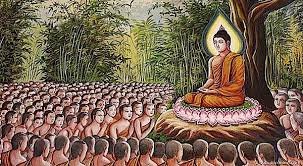
Before becoming an enlightened being, he was Siddhartha Gautama—a prince born into luxury in the kingdom of Kapilavastu (modern-day Nepal/India). Shielded from the harsh realities of life by his father, King Suddhodana, Siddhartha was raised in opulence. He had everything—comfort, education, a beautiful wife (Yashodhara), and a son (Rahul). Life seemed perfect.
Four Scenes That Changed Everything
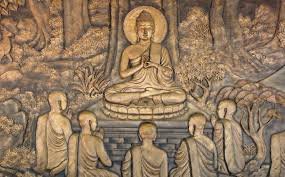
But destiny had other plans. One day, stepping out of the palace for the first time, Siddhartha encountered what is now called the palace—four sights—an old man, a sick man, a dead body, and a wandering monk. For someone who had never seen suffering before, these sights were heartbreaking.
He realized that no matter how rich or powerful you are, suffering is inevitable. Old age, illness, and death are universal truths. Seeing the peaceful monk gave him hope that perhaps there was a way to transcend suffering.
Renunciation and Enlightenment
At the age of 29, Siddhartha made a bold choice. He left his royal life, his family, and all worldly pleasures in search of truth. He wandered, meditated, learned from sages, and even tortured his body with extreme austerities—but still, peace eluded him.
Finally, under a Bodhi tree in Bodh Gaya, he sat in deep meditation and vowed not to rise until he discovered the truth. After many days of intense meditation and inner struggle, Siddhartha successfully achieved enlightenment. He attained enlightenment and became known as the Buddha, which means “one who has awakened.”
Spreading the Message of the Dharma
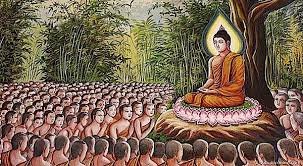
From that day on, the Buddha spent more than 45 years travelling throughout India, teaching what he had realised—the Four Noble Truths and the Eightfold Path. He spoke of love, mindfulness, compassion, and the impermanence of life. His teachings were not religious dogma; they were practical wisdom for everyday life.
And that is why, even today, millions of people around the world find light in the Buddha’s words.
1. The Power of Mindfulness
Living in the Present Moment
Have you ever found yourself worrying about the future or replaying past mistakes on a loop? Buddha emphasised the value of the now. The present moment is the only real time we have. Practising mindfulness—being fully present—can bring clarity and peace to even the most chaotic days.
How Mindfulness Reduces Stress
Scientific studies support this—mindfulness reduces anxiety, lowers blood pressure, and improves sleep. But more than science, it’s about your own peace of mind. Start small: focus on your breathing, take a mindful walk, or simply eat without distractions. It adds up.
2. The Importance of Compassion
Loving-Kindness in Action
Buddha taught metta, or loving-kindness. It’s about actively wishing well for others—even those who have wronged you. It’s not a weakness; This is the power inherent in love.
How Compassion Can Transform Relationships
When you approach others with empathy instead of judgment, everything changes. Relationships deepen. Conflicts dissolve. Compassion is a superpower that can heal even the most broken bonds.
3. Letting Go
Understanding Impermanence
Nothing lasts forever—not success, not pain, not even life itself. Clinging to people, things, or outcomes only sets us up for suffering. Buddha taught that all things are impermanent, and freedom comes from acceptance.
Why does letting go bring peace?
Imagine carrying a heavy bag wherever you go. Now drop it. Letting go feels just like that. Less baggage, more peace. Whether it’s a toxic relationship or a past hurt, let it go and watch your soul soar.
4. The Middle Way
Avoiding Extremes
Buddha’s life is a lesson in balance. He rejected both excessive luxury and harsh austerity. The Middle Path teaches us to live in moderation—not too much, not too little.
Balance as a Way of Life
This isn’t just philosophy—it’s practical. Eat in moderation. Get adequate rest. Don’t overwork, but don’t be lazy either. Balance creates harmony in your body, mind, and spirit.
5. Finding Peace Within
Inner vs. External Happiness
Buddha reminded us that true peace comes from within, not from external achievements or possessions. Money, fame, or success can bring excitement, but not lasting peace.
Daily Practices for Inner Peace
Meditation, gratitude, prayer, or simply sitting in silence—these are not luxuries; they are necessities. Even five minutes of peace can change your entire day.
6. Karma and Intentions Matter
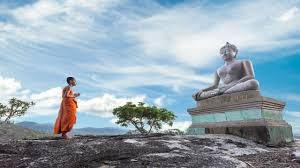
As you sow, so shall you reap
What comes around comes around. Karma is not punishment—it’s cause and effect. Good actions lead to good results. Bad actions? Well, you know the drill.
Being Mindful of Thoughts and Actions
The intention behind your actions matters as much as the actions themselves. Why do you do them? Your intention shapes your karma. Practice kindness, honesty, and awareness in your daily actions and watch your life transform.
7. Embrace Change
Only Change Is Permanent
Resisting change is like trying to stop the wind. Futile, right? Buddha embraced change as a natural part of life and encouraged us to flow with it.
How to Accept and Embrace Gracefully
Losing a job? Going through a breakup? Children growing up? Life changes can be painful, but they also open new doors. Acceptance is the first step toward growth.
8. Detach from the Ego
The Illusion of Self
The ego says, “First me.” Buddha says, “There is no ‘I.'” This may sound profound, but it simply means that our identity is always changing. Clinging to labels and ego blocks growth.
Humility as a Superpower
Let go of the ego, and you will gain empathy. And listen. Learn faster. Being humble doesn’t mean you underestimate yourself—it means you don’t make yourself the center of everything. This is where true freedom begins.
9. Seek wisdom, not just knowledge
Learning through experience
Wisdom isn’t about reading books and quoting facts. True understanding comes from lived experience. Buddha urged people to experience the truth, not just believe it.
The difference between being smart and being wise
Smart people know a lot. Wise people apply what they know with kindness, patience, and understanding. Wisdom is like light—it shows the way.
10. Practice gratitude
Finding joy in simplicity
You woke up today. You have food to eat. You’re breathing. That’s already a lot. Gratitude turns what we have into enough.
Why is gratitude a spiritual foundation?
Gratitude grounds you. It helps you focus on abundance rather than lack. It’s one of the fastest ways to transform your energy and mindset.
Conclusion
This Buddha Purnima, don’t just light a lamp; illuminate your inner path. Buddha’s teachings are timeless because they speak to every soul seeking peace, love, and clarity. Consider these ten lessons. Apply them in small ways. The ripple effect will surprise you.
Remember, enlightenment isn’t a one-time event. It’s a journey—a gentle unfolding of the heart and mind. So take a breath, let go of what doesn’t serve you, and walk the path of enlightenm


