


The Importance of Artificial Intelligence: How AI is Reshaping Our World
Discover the true importance of artificial intelligence in our daily lives. Learn how AI is revolutionizing healthcare, education, banking, and entertainment.
The Importance of Artificial Intelligence: How AI is Reshaping Our World
Imagine waking up, unlocking your smartphone with a quick glance, and asking your virtual assistant to read the morning news while your smart kitchen appliances finish brewing your coffee. From the moment you start your day, the importance of artificial intelligence becomes clear as it quietly manages our routines. Why is artificial intelligence important? At its core, it is vital because it maximizes human potential by handling massive data analysis, accelerating life-saving innovations, and eliminating repetitive tasks. Ultimately, it frees up our valuable time so we can focus on creative problem-solving and deeper human connections.
What Exactly is Artificial Intelligence?
To understand how this technology impacts us, we must first look at what it actually is. In simple terms, artificial intelligence is the science of making computers and machines smart enough to mimic human intelligence. Think of machine learning—a massive subset of AI—as teaching a child through repetition. Instead of programming rigid rules, we show a computer thousands of photos of a cat until it learns to recognize a cat on its own.
Today, we interact exclusively with narrow AI, which is designed to handle highly specific, single tasks like filtering your email spam. The future of AI technology points toward general AI, which refers to hypothetical systems capable of learning and mastering any intellectual task a human being can do.
The Importance of Artificial Intelligence in Our Daily Lives

Have you ever wondered how Netflix knows exactly what you want to watch on a rainy Sunday evening? That is a prime example of how AI helps in daily life by personalizing our digital experiences behind the scenes. Every time you open Google Maps to bypass a sudden traffic jam, you are relying on real-time data analysis to find the fastest route.
Our homes have also transformed into interconnected hubs powered by smart devices that adjust temperatures and lighting based on our unique daily habits. Even your email inbox uses smart automation to categorize messages and filter out malicious software before you ever see it.
- Virtual Assistants: Siri and Alexa handle everything from setting reminders to controlling smart home features.
- Streaming Content: Predictive algorithms recommend customized music, shows, and products tailored specifically to your taste.
- Smart Navigation: GPS systems analyze live road conditions to save millions of drivers time and fuel every day.
AI in Healthcare – Saving Lives Silently
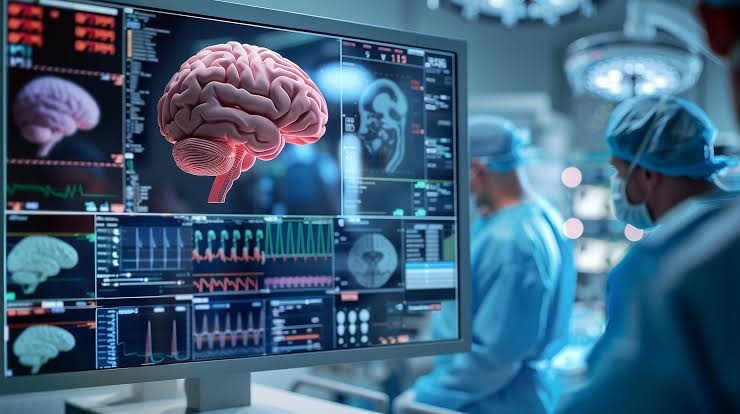
In the medical world, AI in healthcare acts like a brilliant specialist who reviews patient data at superhuman speeds. By analyzing complex medical images like X-rays and MRIs, advanced software can flag early signs of cancer far quicker than the human eye alone.
Furthermore, laboratories use predictive modeling to speed up drug discovery, cutting the time required to develop life-saving vaccines from decades to mere months. Robotic surgical systems also allow doctors to perform complex, minimally invasive procedures with unparalleled precision and stability.
AI in education—personalized learning for all.
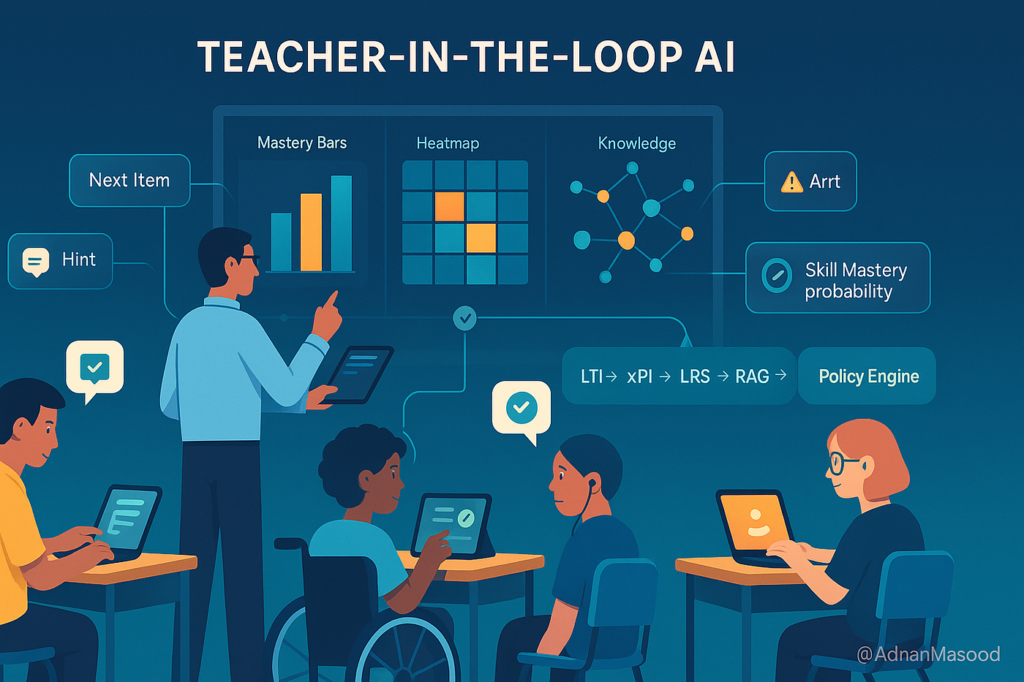
Every student learns at a unique pace, which is why AI in education is completely changing the classroom landscape. Traditional one-size-fits-all lesson plans are quickly being replaced by adaptive software programs that adjust their difficulty based on a student’s performance.
Popular language apps like Duolingo and AI companions like ChatGPT offer instant, around-the-clock tutoring without judgment. This technology also takes care of administrative grading, giving teachers more free time to mentor students who need extra emotional and academic support.
AI in Business and Productivity – Working Smarter
Modern workplaces are undergoing a massive transformation as automation takes over repetitive data entry tasks. Intelligent customer service chatbots now resolve complex user inquiries instantly, ensuring customer support is available 24 hours a day.
By utilizing predictive analytics for sales forecasting, companies can make strategic choices based on hard data rather than relying on guesswork. AI-powered tools also enhance creative workflows by generating initial outlines, proofreading documents, and boosting overall productivity.
- Routine Automation: Software handles repetitive invoicing and paperwork, reducing human error.
- Smart Chatbots: Automated customer assistants resolve common issues instantly without long wait times.
- Advanced Analytics: Algorithms scan market trends to predict what customers will want next.
AI in Transportation and Smart Cities
Our urban spaces are rapidly evolving as how AI helps in daily life extends to public infrastructure and transportation networks. Self-driving cars rely heavily on complex camera systems to navigate busy city streets safely and avoid unexpected obstacles. Meanwhile, intelligent traffic grids alter traffic light patterns dynamically in real time to reduce congestion and lower city carbon emissions.
The Honest Concern – Job Losses and Ethical Challenges
It is completely natural to feel a bit anxious about the breakneck speed of technological progress. A major worry centers on automation replacing traditional jobs, particularly in administrative, data entry, and manufacturing sectors.
However, history shows that major technological shifts tend to replace specific tasks rather than wiping out entire careers, while simultaneously creating new jobs in tech management and ethical oversight. We also must address serious concerns regarding data privacy and AI ethics, which makes strict regulations necessary to ensure these algorithms are trained fairly.
The Future of AI – What’s Coming Next?
Looking ahead, the future of AI technology promises to unlock solutions to some of humanity’s most complex challenges. Scientists are currently using advanced machine learning models to map climate change patterns and develop more efficient clean energy grids.
We will also likely see AI assist in deep space exploration by piloting autonomous rovers across rugged planetary terrains. In the coming decades, brain-computer interfaces could even help restore mobility to paralyzed individuals by translating thoughts directly into digital actions.
Why You Should Embrace AI, Not Fear It
Ultimately, AI is not a hostile replacement for human ingenuity; it is a powerful collaborative partner. By taking the time to learn basic AI prompts and productivity tools today, you can future-proof your career and save hours of time every week. Approaching this technological shift with genuine curiosity allows you to stay ahead of the curve in an increasingly digital economy.
The Final Verdict
By embracing this shift, we can solve global challenges and build a more We are living through an era where the long-term importance of artificial intelligence is becoming undeniably clear across every facet of modern society. Rather than acting as a threat, these tools serve as a digital bicycle for the human mind. Embracing this shift empowers us to solve global challenges while building a highly efficient, connected, and inspired world.
Call to Action
How has AI changed your personal daily routine recently? Let us know in the comments below, and share this article with a friend to spark a conversation!
Internal Links for Your Site
- Check out our comprehensive guide: Top 10 AI Tools for Beginners
- Read our deep dive: How AI is Transforming Healthcare


